Topic covered

Building a Shopify store from scratch is all about creating a simple, trustworthy and enjoyable shopping experience that turns curious visitors into confident buyers.
If you want to skip the guesswork and launch a store that feels polished from day one, Anphonic can take you there faster. We handle the heavy lifting by personalizing every touchpoint of your customer’s journey so your Shopify store starts converting like a seasoned brand. From smart recommendations to guided discovery to revenue boosting bundles, we help you turn casual visitors into loyal, higher value customers without adding more traffic or more work for your team. Your store deserves to feel effortless, and Anphonic makes that possible.
Setting up a Shopify store from scratch feels a bit like moving into your first apartment. It is exciting and chaotic, and every tiny choice eventually shapes the entire vibe of your brand. Shopify makes the setup process incredibly easy, which is great, but that also means people often rush through it without actually thinking about what they are building. Your store is not just a digital shelf of products. It is your brand’s personality, your storefront, your salesperson and your customer support assistant all at once. From the first hero image to the final step of checkout, everything silently influences how a visitor feels. Before adding any products, pause and imagine what you want someone to feel in the first five seconds. That emotion becomes your guiding compass for design and layout.
Most people choose a theme the way they choose clothes on sale. They see something pretty and hit publish. But your theme should make life easier for your customers, not just flatter your brand colors. Think of your Shopify theme like furnishing a guesthouse. It needs clarity, comfort and organization. A clean visual hierarchy always outperforms a fancy layout that forces people to think too hard. When a customer can navigate effortlessly, your chances of converting them increase instantly.
Your product page is where the decision happens. It is the digital equivalent of a salesperson saying the right thing at the right time. High quality images, descriptive but engaging copy and strong social proof can lift your conversions dramatically. Write descriptions like you’re talking to a real human being, not filling out a form. Show multiple angles. Show the product in use. Tell your customer why it matters. A single image and two lines of text might feel minimalist, but online it just feels unconvincing.
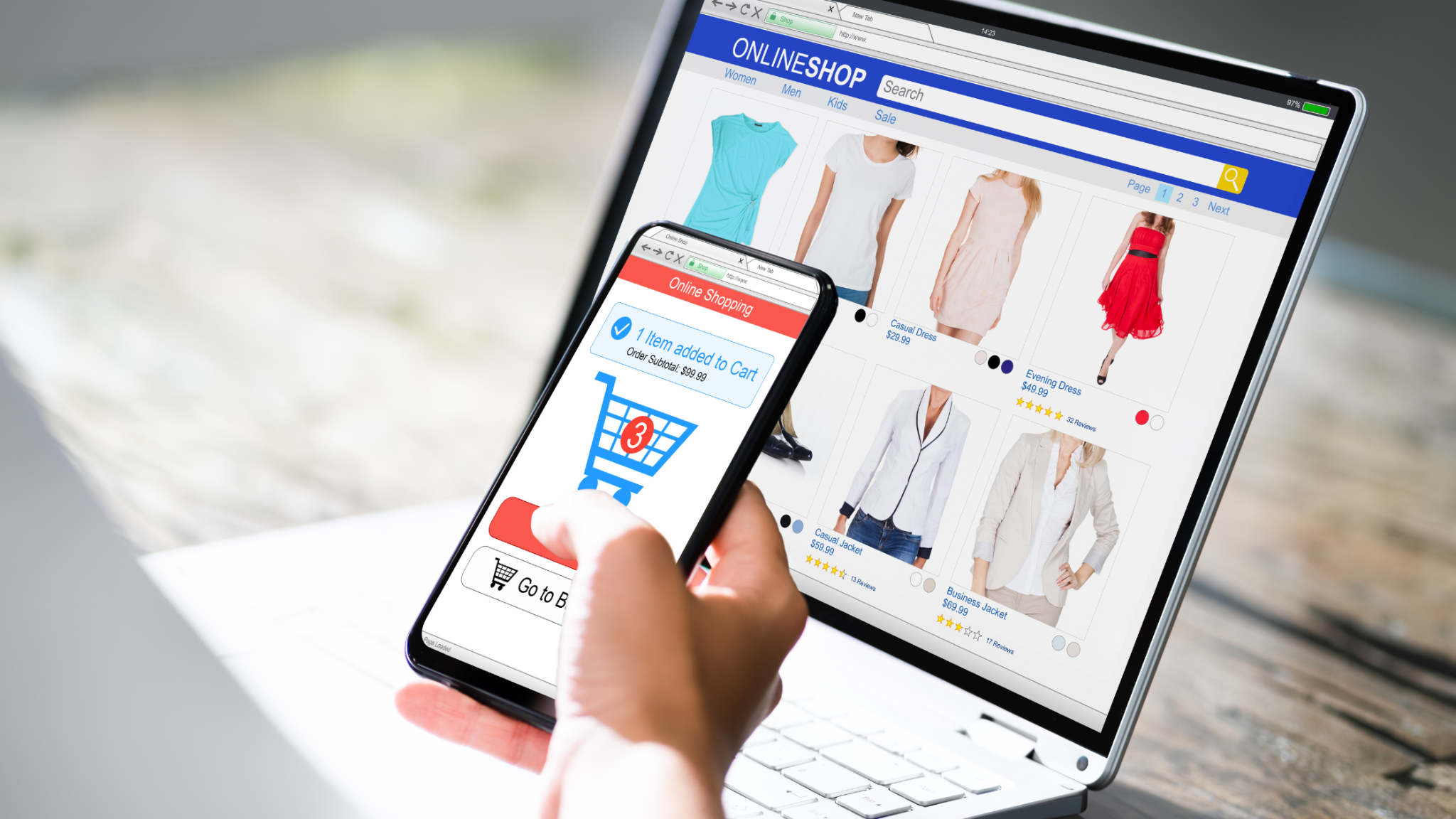
Your store navigation should work like giving directions in a busy market. No one wants to take five wrong turns to reach a shop. Keep your menu simple, logical and predictable. Put your best sellers and important categories upfront. Your job is to reduce friction, not create a puzzle. Online shoppers have the patience of a hungry toddler. If they can’t find something fast, they will leave even faster.
Trust is the silent engine of conversions. Even with beautiful design and strong products, a shopper will hesitate if your store feels unverified or vague. Add clear return policies, shipping timelines, FAQs and contact information. These aren’t just formalities. They signal that your brand is real, reliable and customer friendly. The more confidence you build, the smoother the path to checkout becomes.
Speed matters more than almost anything else. A slow site quietly kills conversions. Compress your images, remove unnecessary apps and keep your store lean. Then test it on mobile again and again. Most of your visitors will arrive through their phones, so your mobile site cannot be an afterthought. A fast, smooth, distraction free experience is non-negotiable if you want sales.

Once your store is up and running, personalization is what takes it from decent to powerful. Guided product discovery, smart recommendations, bundles, progress bars and post purchase experiences can dramatically increase average order value. When your store feels like it understands your customer, they naturally spend more without any extra effort from you. It is one of the easiest ways to grow revenue without increasing traffic.
A Shopify store is never done. It evolves as your customers, products and brand evolve. Keep testing. Keep refining. Keep making the buying experience simpler. The brands winning today are not the ones with the most traffic. They are the ones that make buying effortless. Your goal is to make sure your store becomes that experience for every visitor who lands on it.
FAQ (Frequently asked Questions)
How long does it take to set up a Shopify store from scratch?
It depends on how prepared you are with your content. If your product photos, descriptions and branding are ready, you can get a basic store live in a day. A polished, high converting store takes a little more time because you refine the design, test different layouts and add real personalization to the buying journey.
Do I need to know coding to build a good Shopify store?
Not at all. Shopify is designed for non technical founders. Most customizations happen through easy settings, drag and drop tools and apps. You only need code when you want something extremely custom, which isn’t necessary for most early stage stores.
What is the most important page on my store?
Your product page. This is where every customer decides whether to buy or leave. Strong visuals, simple copy and social proof make all the difference. Treat it like your best salesperson because, online, it is exactly that.
Why is mobile optimization such a big deal?
Most of your customers browse on their phones. A website that looks beautiful on desktop but clumsy on mobile loses sales instantly. Everything should load fast and feel natural for thumb navigation.
Do I really need apps in the beginning?
You do not need a long list of apps on day one. Start with the essentials like reviews, email capture and basic personalization. Add more only when you understand your customers better. Too many apps slow your site down, so choose intentionally.
How can I make sure my store actually converts?
Focus on clarity, trust and speed. Clear menus, fast loading pages, strong product content and transparent policies reduce friction. Add personalization and you create a store that feels like it understands the shopper, which makes buying feel effortless.
How does Anphonic help Shopify stores?
If you want your Shopify store to feel smooth right from the start, Anphonic fills in the gaps that basic setups can’t. We personalize your entire customer journey with smart recommendations, guided discovery, dynamic bundles, smart cart experiences and post purchase flows that boost AOV without any extra traffic. It is like adding a revenue engine to your store rather than relying on guesswork.
Should I keep updating my store after launch?
Yes. A Shopify store grows and evolves. As your customers change and your product line expands, you need to refine your layout, copy and funnel. Regular updates keep your experience fresh and help you stay ahead of competitors.
Over 10,000 Shopify brands use Rebuy to create personalized shopping experiences that reduce costs, save time, and drive sales
.png)
.png)
.png)

.png)
.png)


.png)
.svg)

